A small garden works best with a clear plan, a few well-chosen materials and planting that grows up rather than out. These ideas suit the narrow back gardens and courtyard spaces common across South London.
1. Decide what the garden is for
List what you want to do outside: eat, relax, grow food, let children play, store bikes. In a small space you can rarely have everything, so pick two or three uses and design around them.
2. Divide it into zones
Splitting even a small garden into areas, such as a dining space near the house and a seating spot at the end, makes it feel larger because you can't see everything at once. A change of level, a planted screen or a different surface is enough to mark each zone.
3. Use a diagonal or offset layout
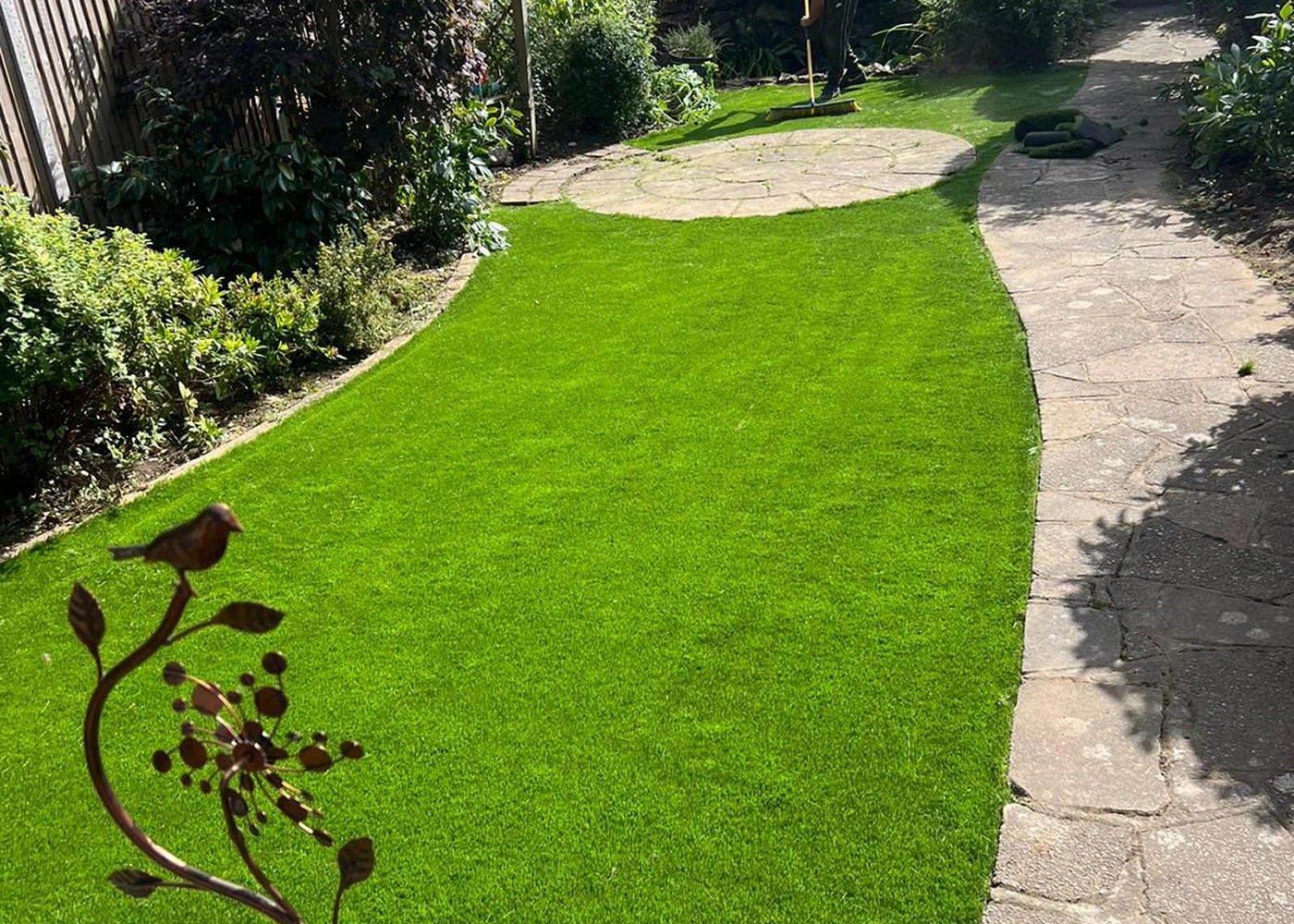
Setting paving or a path at an angle draws the eye across the longest line in the garden, which makes a narrow plot feel wider. A path that curves out of sight has a similar effect.
4. Keep materials simple
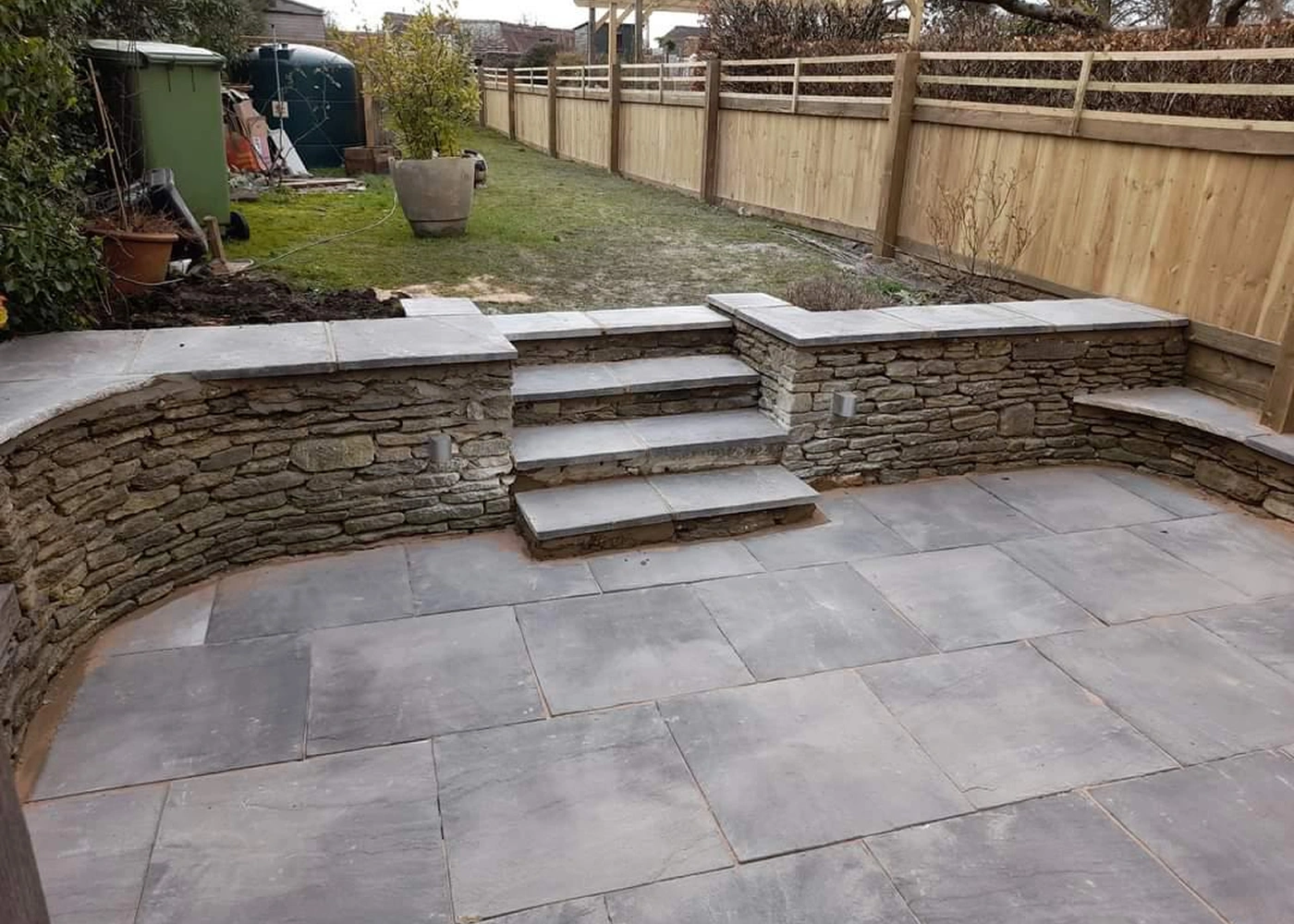
Too many different surfaces make a small space feel busy. Choose one main paving and one or two accents. Larger paving slabs with fewer joints often make a small patio look more spacious.
5. Grow upwards
Walls and fences are free planting space. Use climbers on wires or trellis, wall-mounted planters, or espalier fruit trees trained flat against a fence.
6. Build in seating and storage
Raised beds with a wide timber edge double as seating. Benches with storage underneath keep cushions and tools out of sight, so you don't need a separate shed.
7. Choose a small tree
A single tree gives height, shade and privacy. Choose one that stays compact, such as an amelanchier, a Japanese maple or a multi-stem birch, and plant it where it hides a neighbour's window rather than your view.
8. Screen without blocking light
Pleached trees, slatted screens or tall grasses give privacy while letting light through. Solid walls on every side make a small garden feel enclosed and shady.
9. Repeat a few plants
Planting groups of the same plants, repeated along a border, looks calmer than many single plants. Add evergreens so the garden still has structure in winter.
10. Add lighting
Low-level lights along paths, uplighters under a tree and a few lights in the borders mean you can use and see the garden after dark, which makes it feel like an extra room.
Check before you build
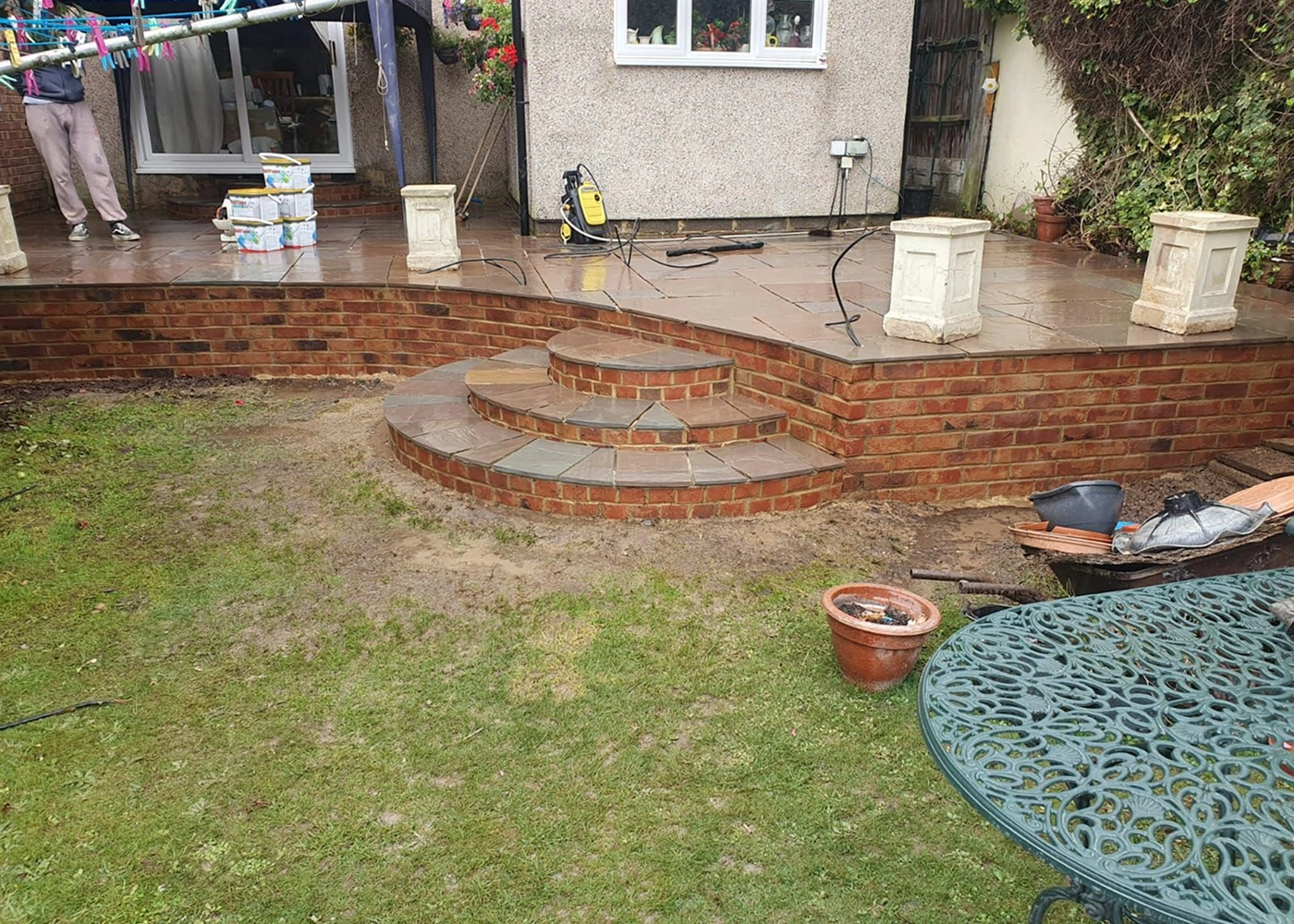
Most small garden projects don't need planning permission. One common exception: decking or any raised platform more than 30 cm above the ground needs permission. Rules are different for listed buildings and some conservation areas, so check with your council if that applies to you.
Garden design in Sutton and South London
A designer can help you get the most from a small space before any money is spent on building. See our garden design service or get in touch for a free consultation.