No garden is maintenance-free, but the right design can cut the work to a few hours a month. The key is to choose hard surfaces and plants that look after themselves, and to plan the garden so jobs are quick to do.
Hard landscaping that saves time
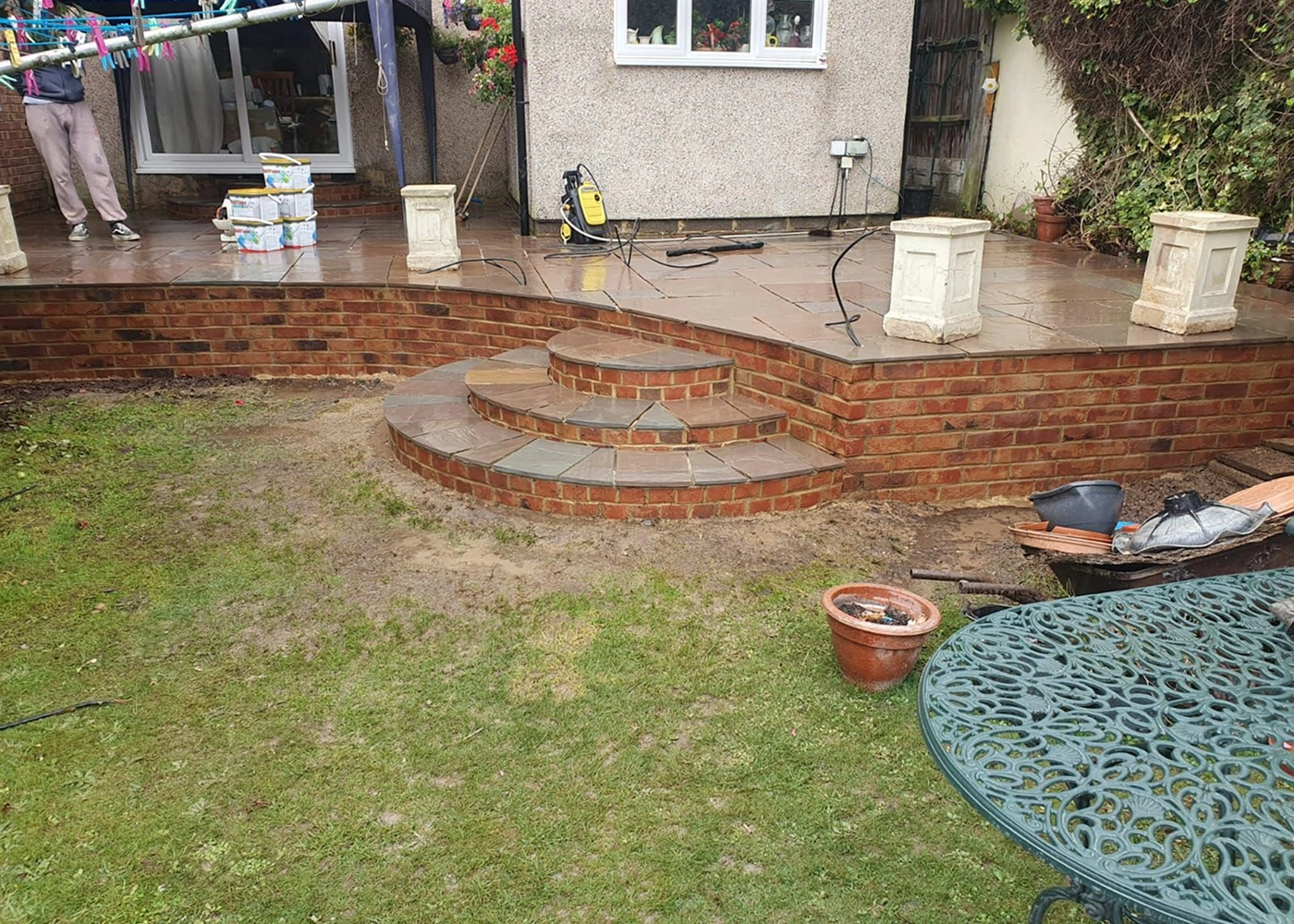
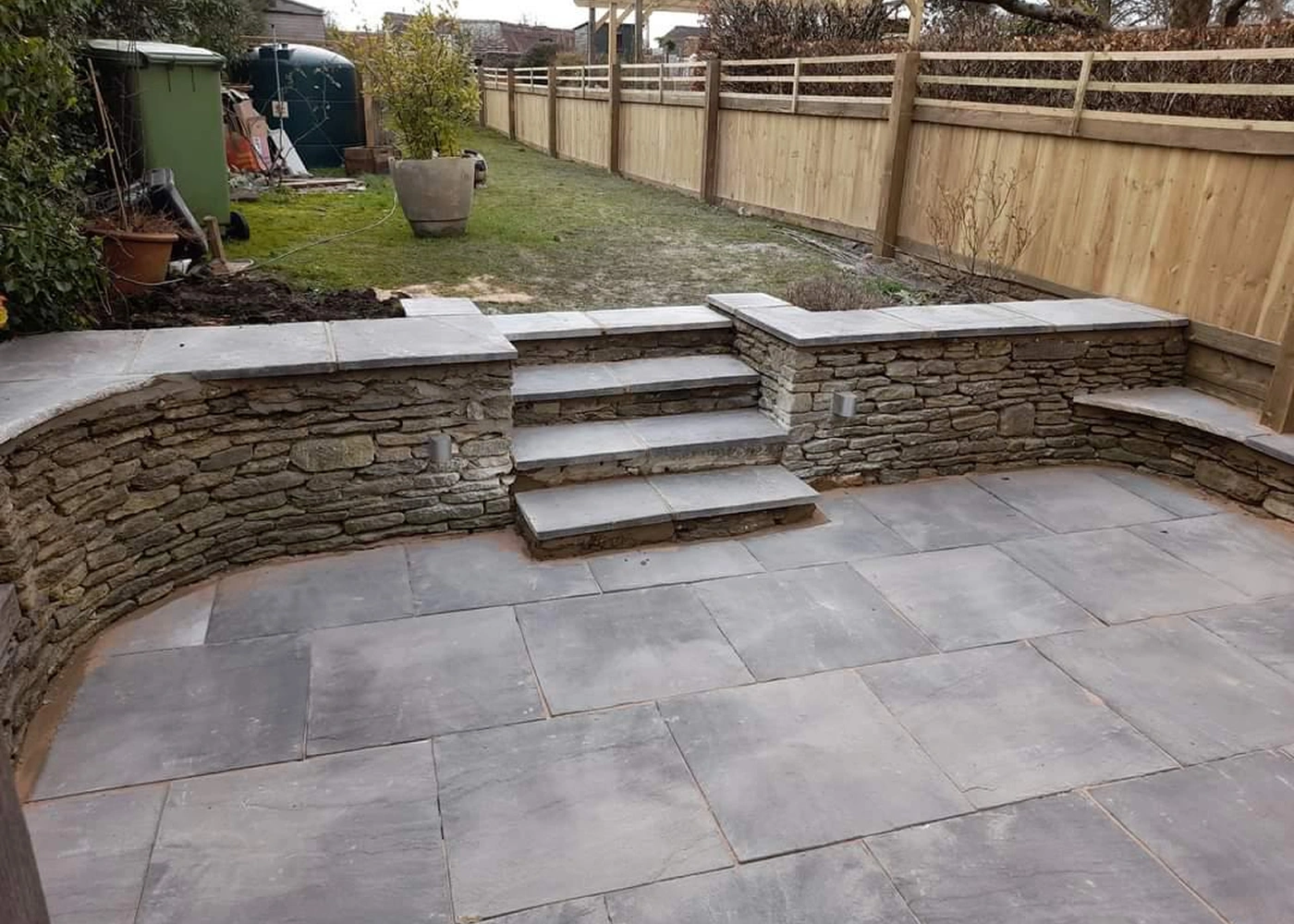
- Paving: a well-laid patio needs little more than an occasional sweep and wash. Porcelain is especially easy to clean; natural stone looks softer but may need cleaning more often.
- Gravel: laid over a weed membrane, gravel is quick to install, drains well and only needs an occasional rake and weed.
- Raised beds: easier to reach, easier to weed and they keep plants tidy.
If you are paving a front garden, use a permeable surface such as gravel or permeable block paving, or direct rainwater to a lawn or border. Covering more than 5 square metres of a front garden with a surface that doesn't let water through needs planning permission.
Artificial grass: pros and cons
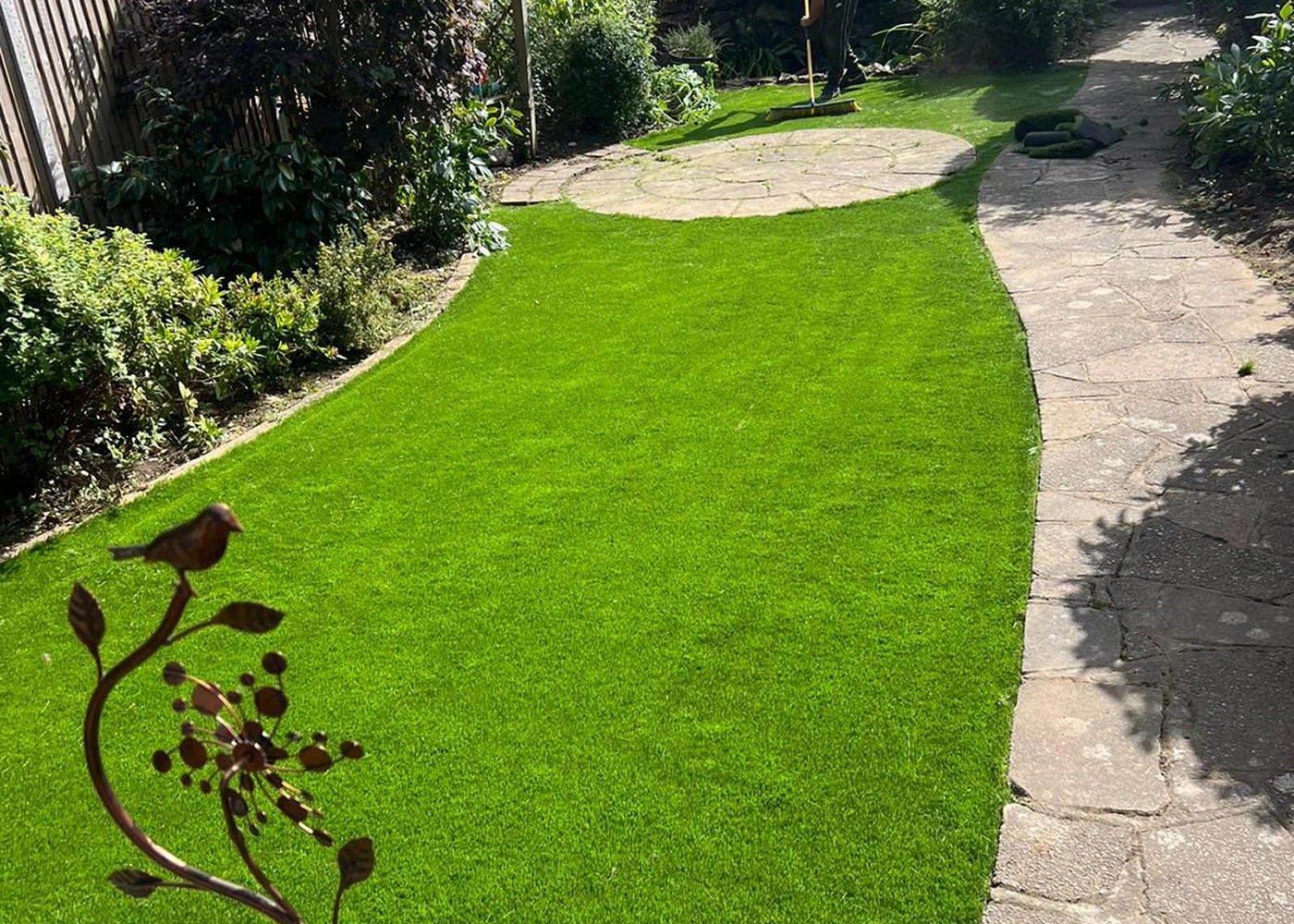
Artificial grass means no mowing, feeding or patching, and it stays green all year. On the other hand it gets hot in direct sun, still needs occasional brushing and rinsing, offers nothing for wildlife, and needs a well-prepared, free-draining base to last. For a shady or heavily used area where real grass struggles, it can make sense. For a sunny lawn, a hard-wearing real lawn may be the better long-term choice.
Choose plants that look after themselves
- Shrubs and perennials come back every year, unlike bedding plants that need replacing.
- Evergreens give structure all year with little pruning.
- Ground cover plants spread to fill gaps, so weeds have less room.
- The right plant for the spot: sun-lovers in sun and shade plants in shade need far less care than plants struggling in the wrong place.
- Slow-growing hedges such as yew need one trim a year; fast hedges like leylandii need cutting much more often.
Mulch your borders
A layer of bark, compost or gravel about 5 cm deep over bare soil holds in moisture and stops many weed seeds from germinating. Top it up once a year, ideally in late winter or spring when the soil is moist.
Make watering easy
Group pots together near a tap, or swap many small pots for a few large ones, which dry out more slowly. A simple drip irrigation system on a timer can water borders and pots for you.
Keep the lawn simple
If you keep a lawn, give it a simple shape with smooth curves or straight edges and no small beds cut into it. A mowing edge of paving or brick along the border means no edging by hand.
Low-maintenance garden design in South London
Designing for low maintenance is easiest at the start. See our garden design service, or if you would rather leave the upkeep to someone else, see our garden maintenance service.